Sherwood Abelia
Abelia × grandiflora 'Sherwoodii'
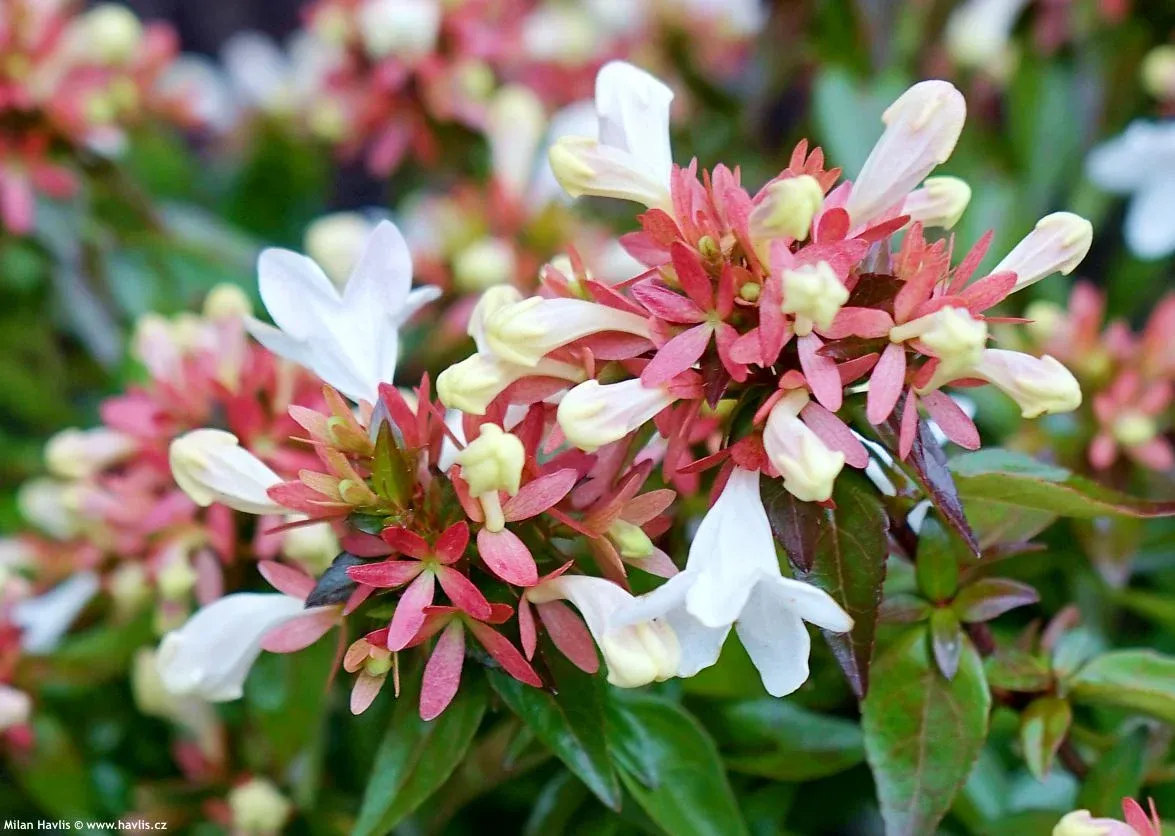
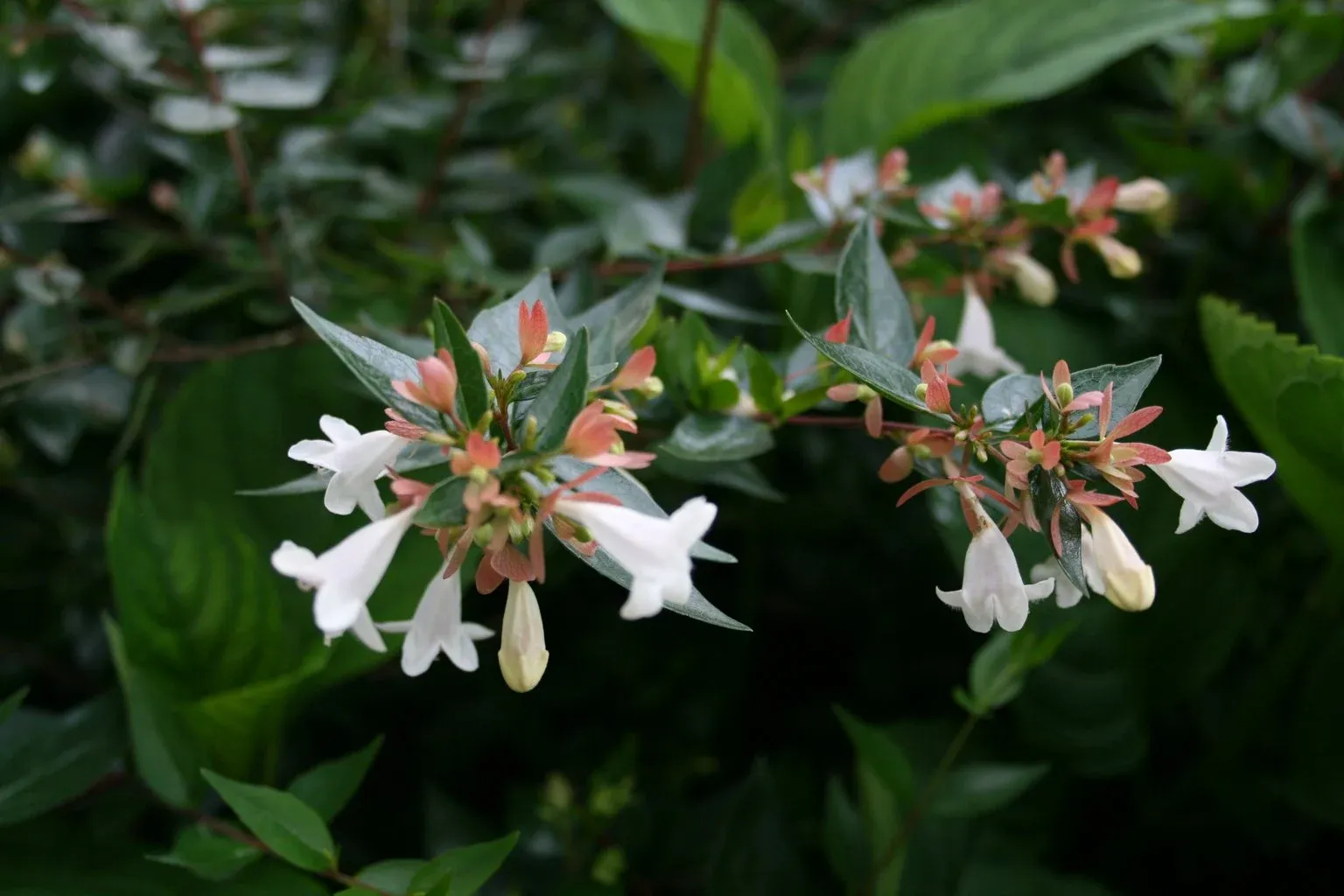
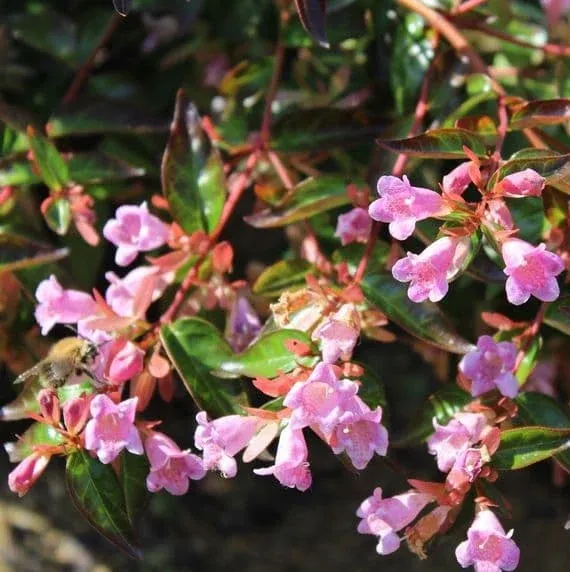
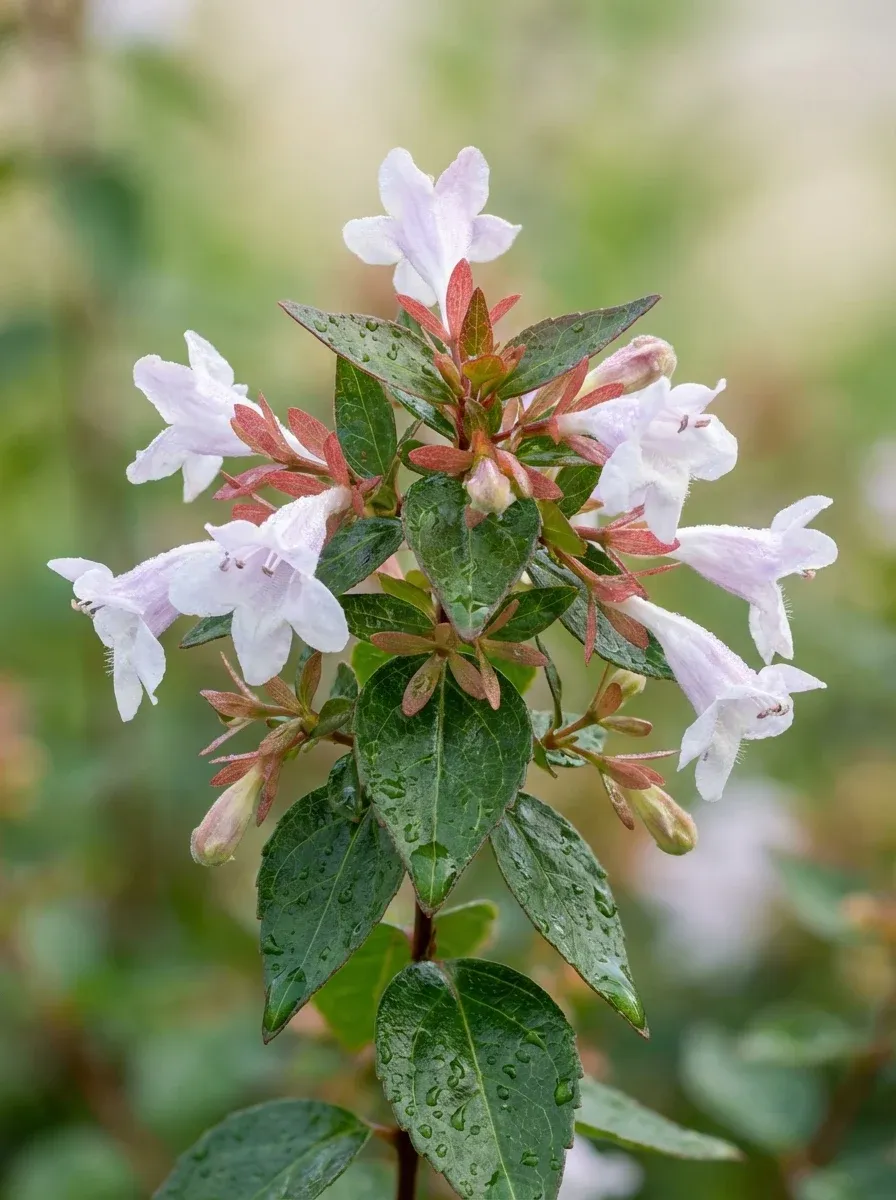
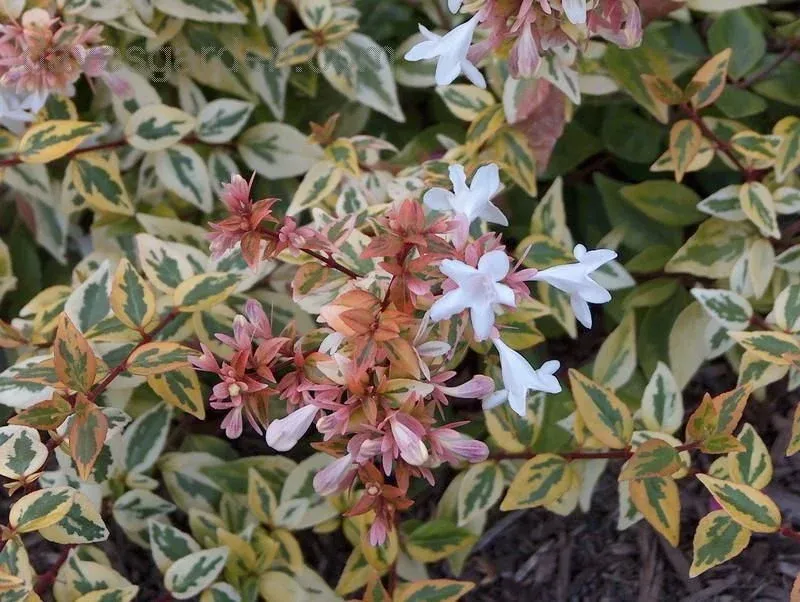
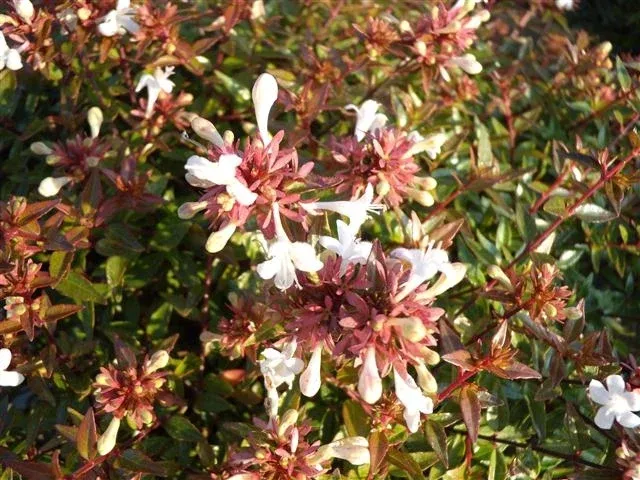
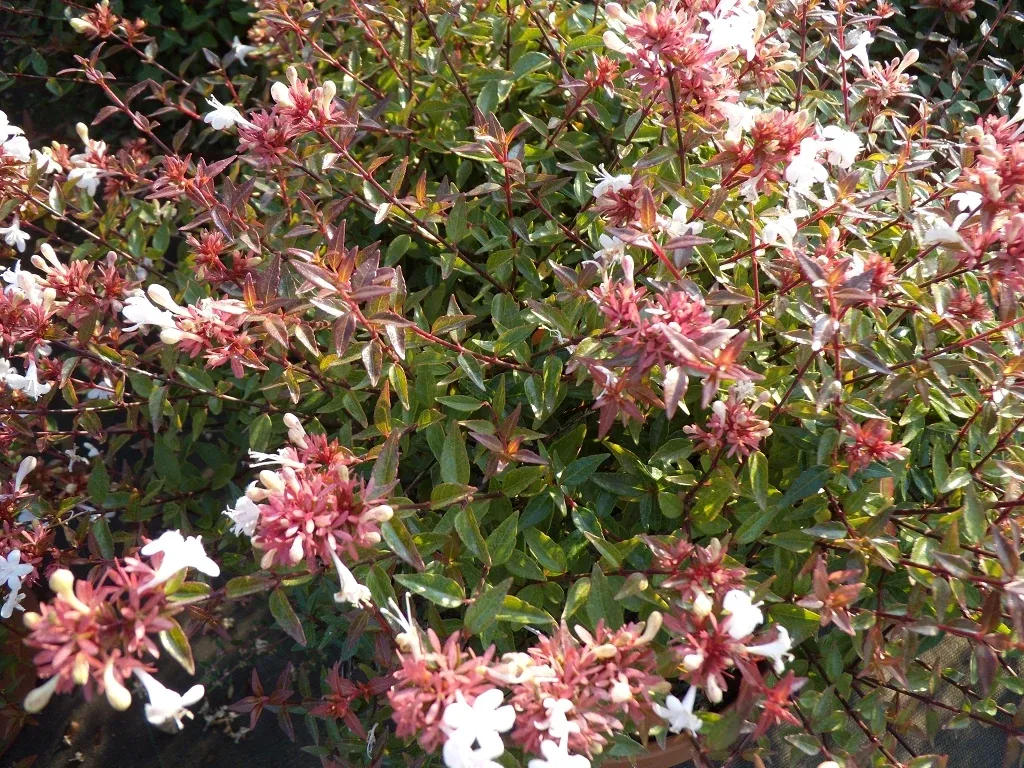
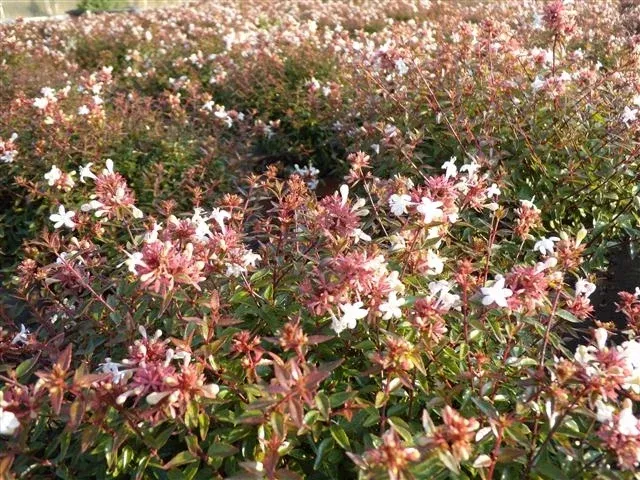
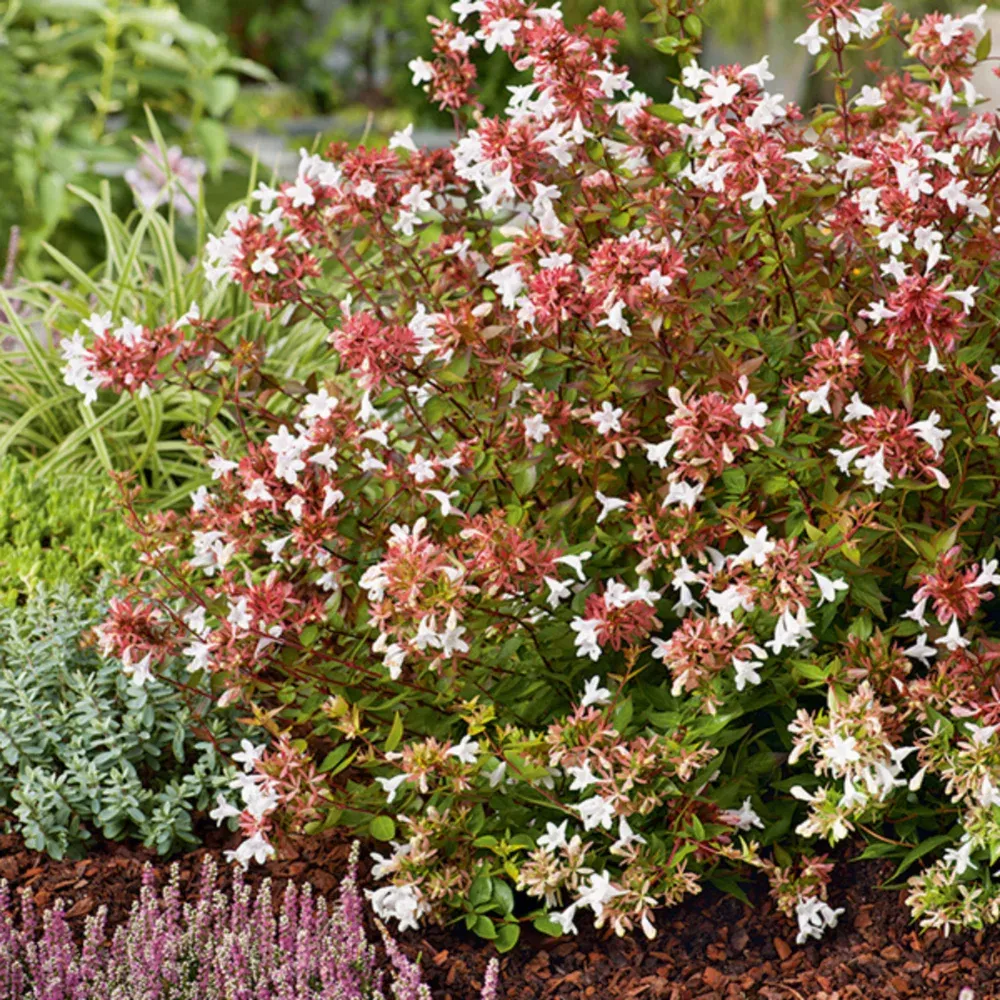
In growth
In bloom
Planting Guide
| Spacing | 3 feet |
|---|---|
| Planting depth | Crown level with soil surface |
| Mature size | 3 - 4 feet |
| Chilling hours | 0 |
| Life expectancy | 20-30 years |
| Growth rate | Moderate |
| Planted | 2024 |
| Bed | To Be Sorted |
Growing Conditions
| Sun | Partial Shade |
|---|---|
| Water | Average |
| Soil type | Highly fertile, loamy soil |
| Soil pH | 5.0-7.5 |
| Zones | 5-9 |
| Native status | Non-native |
Appearance
| Type | Perennial |
|---|---|
| Leaf | Ovate (Egg-shaped) |
| Foliage colour | Green - reddish tinge during autumn |
| Bloom | pale pink to white. |
| Fruit | Leathery Achene |
| Evergreen | Semi-evergreen |
Root System
| System | Fibrous/Adventitious Systems |
|---|---|
| Morphology | Mixed Fine & Coarse |
| Function | Absorptive Roots (Lower Orders) |
| Propagation | Cuttings taken from healthy, non-flowering stems during the dormant season can be propagated successfully by rooting |
Wildlife & Safety
| Attracts | Pollinators, Hummingbirds, Butterflies, Bees |
|---|---|
| Deer | Both |
| Toxicity | Non-toxic |
| Edibility | Inedible |
| Companions | Double Coded 'Butter Pecan', Color Coded 'Orange You Awesome', SunSeekers Coral, Color Spires Azure Snow, Pink Nebula Meadow Sage, Snow Kiss, Pink Dawn, Back to the Fuchsia', Color Spires 'Indiglo Girl', Perfect Profusion, Violet Profusion, Dwarf Hummingbird Mint 'Kudos Abbrosia', Dwarf Hummingbird Mint 'Poquito Dark Blue;, Walker's Low Catmint, Cat's Pajama, Everglow Sedge Grass, Big Blue Liripoe, Prairie Winds 'Apache Rose' |
Where it came from
| Grower | Lowe's |
|---|---|
| Bought at | Lowe's |
Care
The Sherwood Abelia thrives in well-drained soil with a mix of organic material for moisture retention. It benefits from regular watering but requires good air circulation to prevent overly damp conditions that could encourage disease.
Maintenance
In Clifton Park's cold climate (Zone 5b/6a), apply a three-inch layer of winter mulch to insulate the root zone against severe freezing temperatures. Wait until late winter or early spring to prune away winter dieback, as this shrub blooms exclusively on new wood and will still flower fully. Provide regular summer watering and avoid late-season fertilizing to prevent tender, frost-vulnerable growth before the autumn freeze.
Cleanup
In early spring, prune away dead or winter-damaged branches down to live buds to stimulate fresh flower-bearing wood. Rake out old fallen leaves and organic debris from the base of the shrub to prevent pests and fungal growth. Finish by refreshing a three-inch layer of clean mulch to suppress weeds and lock in summer soil moisture.
Notes
While Abelia × grandiflora 'Sherwoodii' is classified as non-toxic to humans, dogs, and cats, it is not considered a culinary edible plant. The small, trumpet-shaped flowers contain sweet nectar that is technically safe to taste, but the plant lacks any traditional culinary value. Do not consume the glossy foliage or woody stems, as ingesting large quantities of non-food ornamental plants can cause mild digestive upset.